
Ultimate Guide for Buying a Used Vertical Milling Machine For Your Workshop
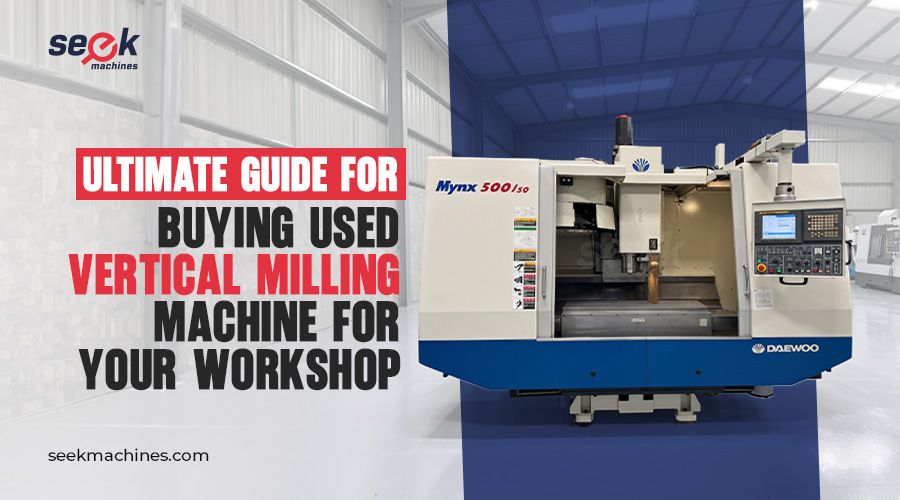
Purchasing a used vertical milling machine reduces the cost of investment while providing you with superb manufacturing capabilities. Below are the key features and elements that you should consider when purchasing a good used vertical milling machine for your workshop. We will guide you through the key stages of evaluating the machine before making the final deal.
Vertical Milling Machine Defined
The vertical milling machine is a piece of equipment that contains a rotating cutter to remove material from a workpiece. The milling machine is the fundamental tool for metalworking workshops due to the high precision and versatility provided by it.
Spindle Orientation
The spindle of the machine is oriented vertically, so the process of machining can be seen clearly. Such orientation makes the process of performing the drilling process very convenient.
Movement of the Worktable
The worktable of such machines can move in three distinct directions. This movement helps to create complex parts with maximum accuracy.
Versatility
You can attach numerous kinds of tools to the spindle to mill or perform slotting.
Uses, Benefits, and Overview
1. Checking the Spindle for Its Condition
The spindle is the core element of any vertical milling machine. Therefore, the examination has to be performed with great care before making the purchase. First, listen for unusual grinding noises during the rotation of the spindle at various speeds. You have to check for any radial play or wobble, as it means that the machine has worn bearings, and your final products will not be accurate and of poor quality.
2. Examining Way Surface Wear
Way surfaces provide you with smooth motion of the machine table. They are subjected to great wear during many years of usage. The inspection of such metal strips should reveal deep scratches and scoring that mean that there is no proper lubrication on the surface. Such wear of the way surfaces will negatively affect the precision of future milling of your projects.
3. Checking the Accuracy of the Table
It is necessary to have a flat and steady table, as it is the main thing needed for having precision in your projects. You have to bring a precision level to check the table for being flat and not twisted because of the previous years of usage. Checking the table will save your future projects from alignment issues and tilted holes ruining very expensive raw materials.
4. Inspection of the Electrical System
Sometimes old equipment has outdated electrical systems requiring expensive repairs or upgrades to work in your shop environment. Open the electrical cabinet to find any burned-out wires or corroded connections that can cause a short circuit. Ensure that all the switches and buttons respond instantly and reliably to avoid potential accidents while working with the machine tools in your metal workshop.
5. Evaluation of Motor Performance
The motor is the heart of the machine, providing power to cut the tough metal. So, it is necessary to check whether it works perfectly without any problems like overheating. You have to run the machine for several minutes at various speeds to hear any unusual sound or smell. Replacement of the motor can be an expensive process that should ideally be avoided at the stage of initial ownership.
6. Inspection of Feed Mechanism
The feed mechanism controls the motion of the table automatically. A smooth feed mechanism will help to produce high-quality and consistent finishes. You have to move the handles manually to feel whether there is any binding and uneven resistance, which means problems with the internal gears. Consistent and smooth movement is essential for efficient production as it helps you to maintain steady feed rates.
7. Testing Lubrication Systems
Lubrication of the milling machine is the lifeblood of the machine, as it protects the metal surfaces from grinding each other and destroying them. It is necessary to check whether the oil pumps work properly, delivering the lubricant to the critical joints and moving surfaces of the machine. If your machine does not have such a system, then the parts will wear out very quickly, requiring expensive replacement much sooner than expected.
8. Checking the Compatibility of Tooling
Many older milling machines have proprietary tooling systems that can be very hard or expensive to source in the current market. You should research the spindle taper type and check that it is possible to purchase the collets and tool holders easily. It is preferable for you to choose a machine with a standard taper to ensure a constant and affordable supply of cutting tools.
9. Review of Machine Documentation
The machine manual and maintenance logbook are valuable resources that provide you with the information about how to perform servicing and operate the machine. You should ask the seller whether he has any original documentation and records of performed repairs on this equipment. These papers will make it much easier to perform troubleshooting and maintenance of your machine in optimal condition.
10. Considering the Maintenance History
Knowledge about how the previous owner maintained the machine provides you with the best information regarding its current state. You should ask detailed questions about how often the owner changed the oil and whether he cleaned the machine after usage. A good maintenance history of the machine ensures reliable service for many years to come, while a poor one will cause you repair problems forever in your professional shop.
Conclusion
The purchase of the used vertical milling machine needs patience and attention to detail. But it will provide you with great value. The careful examination of each critical system will ensure that your shop is equipped with a good machine for your needs. SEEK Machines is the best platform to find out more about used milling machines that are available for purchase.